

Insights That Make a Difference
Explore case studies, expert tips, and practical guidance
10 Financial Mistakes Small Business Owners Make in New Zealand
Running a small business in New Zealand means balancing many responsibilities every day. From managing staff and serving customers to growing sales and controlling costs, it is easy for financial management to take a back seat.
Many of the challenges small businesses face are not caused by a lack of hard work. Instead, they often result from avoidable financial mistakes that affect cash flow, tax compliance, profitability, and long term growth.
While bookkeeping helps keep financial records organised, business owners also benefit from regular accounting advice to understand what their numbers are saying and how they can make better financial decisions.
Accountants play an important role in helping businesses stay compliant, improve performance, and plan for the future.
In this guide, we explore ten common financial mistakes New Zealand business owners make and how avoiding them can help build a stronger, more sustainable business.
Also Read: From Risks to Results: How we resolved an IRD audit review
1. Not Keeping Accurate Financial Records
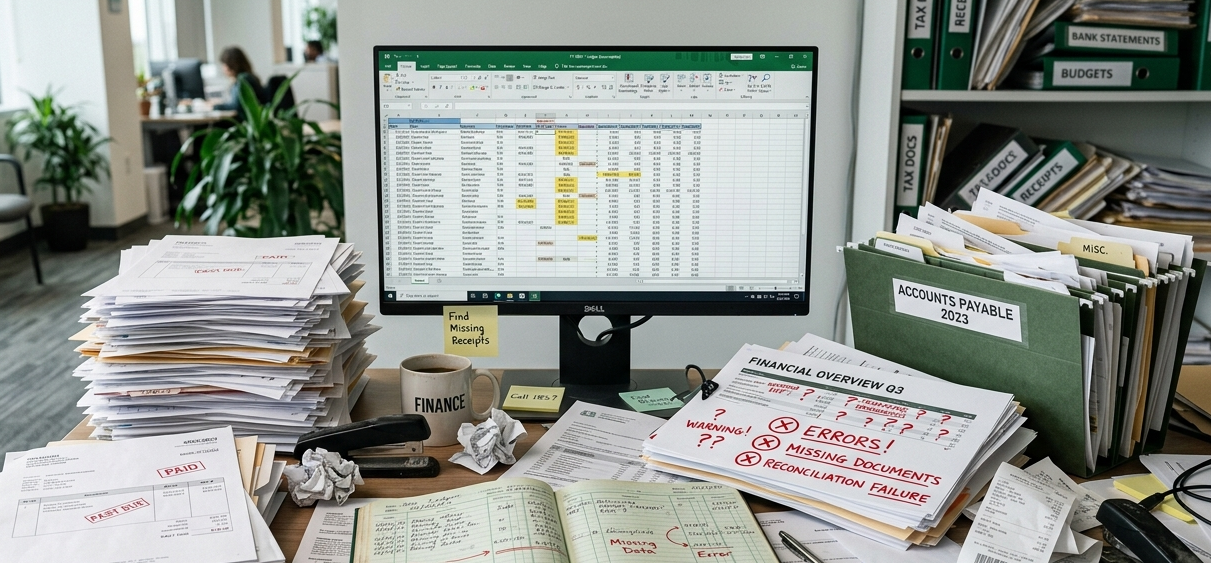
One of the most common financial mistakes small business owners make is failing to maintain accurate and up to date financial records.
When bookkeeping is delayed until tax season, it becomes much harder to prepare reliable financial reports. Missing receipts, incomplete expense records, and incorrect transaction coding can create unnecessary problems throughout the year.
Poor financial records can lead to:
- Incorrect tax returns
- Missed business deductions
- Cash flow uncertainty
- Difficulty obtaining business finance
- Increased stress during an IRD review or audit
Good bookkeeping should include:
- Sales invoices
- Supplier invoices
- Expense receipts
- Bank statements
- Payroll records
- GST records
Accurate records do more than meet compliance requirements. They give business owners reliable financial information that supports better budgeting, forecasting, and business decisions.
2. Mixing Personal and Business Finances
Using a personal bank account for business transactions is common among new business owners, but it often creates unnecessary complications as the business grows.
Mixing personal and business expenses makes it difficult to understand the true financial position of the business. It can also increase the time required to prepare financial statements and tax returns.
Keeping finances separate helps businesses:
- Track profitability accurately
- Identify legitimate business expenses
- Prepare financial reports with confidence
- Support GST and income tax compliance
- Present professional financial records if funding is required
A dedicated business bank account, supported by organised bookkeeping, creates a much clearer picture of how the business is performing.
3. Ignoring Cash Flow Until Problems Appear
Many profitable businesses experience financial pressure because they do not actively manage cash flow.
A business may record strong sales, but if customers pay late or expenses increase unexpectedly, there may not be enough cash available to pay wages, suppliers, rent, or tax obligations.
Regular cash flow forecasting allows business owners to identify potential shortages before they become serious problems.
Good cash flow management includes:
- Monitoring cash flow regularly
- Following up overdue invoices promptly
- Forecasting future income and expenses
- Maintaining an emergency cash reserve
- Reviewing business spending on a regular basis
Rather than waiting for cash shortages to occur, successful businesses use financial reporting to plan ahead and make informed decisions.
4. Failing to Plan for Tax Obligations

Many small businesses underestimate how important tax planning is throughout the financial year.
Instead of viewing tax as a once a year obligation, businesses should prepare for GST, provisional tax, PAYE, and end of year income tax well before payment dates arrive.
Without proper planning, business owners may face:
- Unexpected tax bills
- Cash flow pressure
- Late payment penalties
- Interest charges from Inland Revenue
Setting aside funds from business income throughout the year can reduce financial stress and help businesses remain compliant.
Working with an accountant also allows business owners to understand their tax obligations early, rather than reacting once deadlines have passed.
5. Missing GST Filing Deadlines
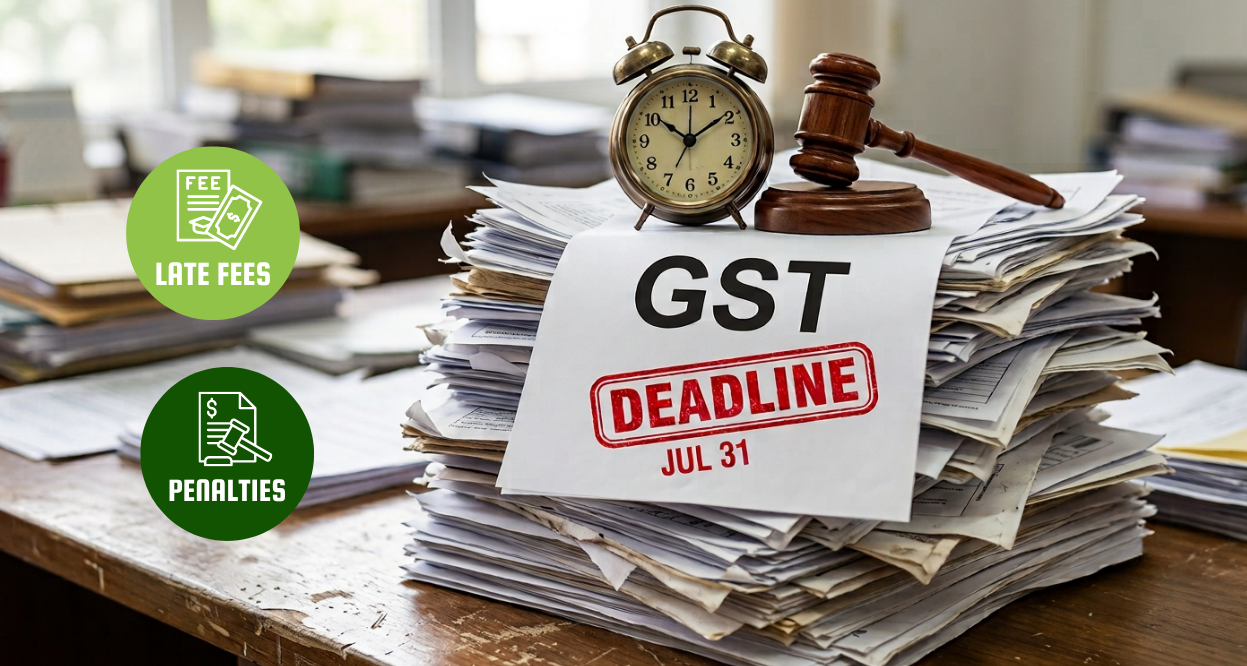
GST compliance is an important responsibility for GST registered businesses in New Zealand.
Late or inaccurate GST returns may result in penalties, interest, and additional attention from Inland Revenue. In many cases, missed deadlines are caused by poor bookkeeping rather than complex tax issues.
Common reasons businesses miss GST deadlines include:
- Incomplete financial records
- Delayed bookkeeping
- Incorrect transaction coding
- Cash flow shortages
Preparing GST returns from accurate financial information improves reporting accuracy and reduces unnecessary compliance risks.
Regular bookkeeping throughout the year makes GST reporting significantly easier.
6. Not Understanding Provisional Tax Requirements
Many growing businesses are surprised when provisional tax becomes part of their financial responsibilities.
Unlike an annual tax payment, provisional tax requires businesses to pay tax during the year based on expected taxable income. Without proper planning, these payments can place pressure on business cash flow.
Common mistakes include:
- Forgetting payment dates
- Underestimating taxable income
- Failing to budget for tax payments
- Ignoring Inland Revenue notices
An accountant can help estimate future tax obligations and ensure provisional tax payments are planned as part of the overall business budget.
7. Focusing on Revenue Instead of Profit
Many business owners celebrate increased sales without looking closely at profitability.
Higher revenue does not automatically mean higher profits.
For example:
| Revenue Growth | Profit Growth |
|---|---|
| Sales increase by 20% | Profit may increase by only 2% |
| More Customers | Higher Operating Costs |
| More Projects | Lower Margins |
This is why profitability analysis for small businesses is so important.
Regular reviews of financial performance can reveal:
- Unprofitable products
- Rising operating costs
- Pricing issues
- Inefficient processes
In some cases, improving Operational Efficiency can have a greater impact on profits than increasing sales.
8. Running a Business Without a Clear Financial Plan
Many businesses focus on day to day operations without developing a long term financial strategy.
Without proper planning, it becomes difficult to measure progress, prepare for business growth, or respond to changing market conditions.
A practical financial plan should include:
- Revenue targets
- Expense budgets
- Cash flow forecasts
- Tax planning
- Growth objectives
Regular reviews with an accountant can help business owners compare actual performance against their goals and adjust their strategy when needed.
Financial planning provides direction and helps businesses make confident decisions based on reliable information.
9. Waiting Until an IRD Issue Becomes Serious
Receiving correspondence from Inland Revenue can be stressful, but delaying a response often makes the situation more difficult.
Businesses may receive notices relating to:
- Outstanding tax returns
- GST discrepancies
- Unpaid tax balances
- Audit requests
- Requests for additional information
Responding promptly allows issues to be resolved before they become more complex or expensive.
Professional advice can also help businesses understand their obligations and communicate effectively with Inland Revenue during reviews or audits.
Related Article: IRD Audit Support for Business Owners
10. Trying to Solve Complex Financial Problems Alone
Many business owners successfully manage their day to day bookkeeping, but more complex financial matters often require professional advice.
As a business grows, financial decisions become more important and can have long term implications for tax, profitability, and business performance.
Professional accounting advice can be valuable for:
- Business restructuring
- Tax planning
- Managing cash flow challenges
- Business growth strategies
- Financial forecasting
- Compliance reviews
Accountants do far more than prepare annual financial statements. They provide insights that help business owners make informed decisions, manage risk, and plan confidently for the future.
Final Words
Financial mistakes are common among small businesses, but most can be prevented with good financial systems, accurate bookkeeping, and timely professional advice.
Keeping accurate records, managing cash flow, planning for tax obligations, reviewing financial performance, and seeking expert guidance when needed all contribute to a stronger and more resilient business.
Rather than viewing an accountant as someone who only prepares annual tax returns, business owners should see them as a trusted adviser who can help improve financial performance, support compliance, and guide long term business success.
Taking proactive steps today can help reduce risk, improve decision making, and position your business for sustainable growth in the years ahead.
Take Action Today
Contact Smart Tax Solutions Limited today to discuss your situation in confidence. Our experienced team is here to provide clear advice, practical solutions, and tailored support — helping you navigate tax challenges and move forward with confidence.